




I. Lia and her family

It all started in May 2024. One morning, a small, hard lump appeared on Lia's body, which at first didn't seem worrying. She was taken to a doctor, who initially suspected a sting. But as the bump did not go away and grew larger over time, the doctor came to a different conclusion: a haemangioma, a benign tumour.
K. Marcell and his family

Marci developed similarly to his peers until he was 15 months old. He was already standing and walking independently at the age of 10 months. Then he received a vaccination, after which he started walking on his toes 3 weeks later, and within a few days he lost his ability to walk and at the same time his balance.
Their neurologist at the time diagnosed him with cerebral palsy. They sent Marc for an MRI, which showed signs of oxygen deprivation. This gave the neurologist an explanation for his suspicion.
In Marcin, the vaccination activated a little-known genetic disorder called Aicardi-Goutieres 7 syndrome. Marcell is currently participating in the first drug study in Austria, which his parents learned about through an American group.
D. Molli and his family

Molli is a premature baby and lives with cerebral palsy (CP), a central nervous system injury.
It arrived in August 2022, a little over 6 weeks earlier than expected.
Being a premature baby, all statuses are measured against his corrected - planned - date of birth, so although we were patient with his development, his unstable head and delayed interest in toys were a cause for some concern, so we booked him in for developmental neurology.
P. Petra, Tamás and family

The Pihokker family is raising two children with long-term illnesses and special educational needs. The family's daily life is characterised by the organisation, provision and financing of ongoing development and therapies.
Their youngest child, Tamás, now 2.5 years old, was born at 35 weeks with an Apgar score of 6/8 due to a CTG anomaly. He spent the first weeks of his life in the NIC/PIC ward. His motor development lagged behind his peers at an early age and he was diagnosed with generalised hypotonia. In November 2024, genetic testing confirmed that Thomas was affected by the infantile onset form of Charcot-Marie-Tooth (CMT 3) disease, which underlies his movement problems. He is now able to sit steadily, crawl regularly, cling to furniture, stand upright, and with the help of a rolling walker and AFO, he is becoming more adept at walking as he develops - but he cannot yet walk independently.
Peter L. and his family

Peti has recently been diagnosed with Duchenne muscular dystrophy. This is a serious, rare disease that causes gradual muscle weakness, followed by muscle atrophy, eventually leading to complete muscle breakdown. A special gene therapy could be available abroad that could stop this process, but it would cost around 1.3 billion forints.
U. Alex and his family

Alex will be one year old in October. The investigation was triggered by a prolonged jaundice that has not gone away even after two months of age. Blood tests showed abnormally high liver function values. The local paediatrician was thorough and sent Alex for further tests at the hepatology department. There, his CK levels were measured twice - both times they were found to be extremely high: first 19,000 and then 11,000.
Csaba Sz. and his family

Their story began in March with a stomach ache that brought their son to the hospital in Nyíregyháza. From there, they were taken by ambulance to Debrecen, where tests revealed a tumour in the boy's left kidney, which was found in several places in the chest and abdomen.
L. Liliána and her family

Liliána was born with cleft lip and cleft palate on 06.09.2018, as the youngest child. She has a chromosomal abnormality, Dandy Walker syndrome. She wears hearing aids and glasses due to bilateral sensorineural hearing loss. He cannot walk, but can sit independently and can even get around sitting up. He loves to explore the world around him, to discover wonders. He can pull himself up and climb on the sofa by himself. This is also due to the fact that he attends cognitive and movement development sessions several times a week.
B. Abel and his family
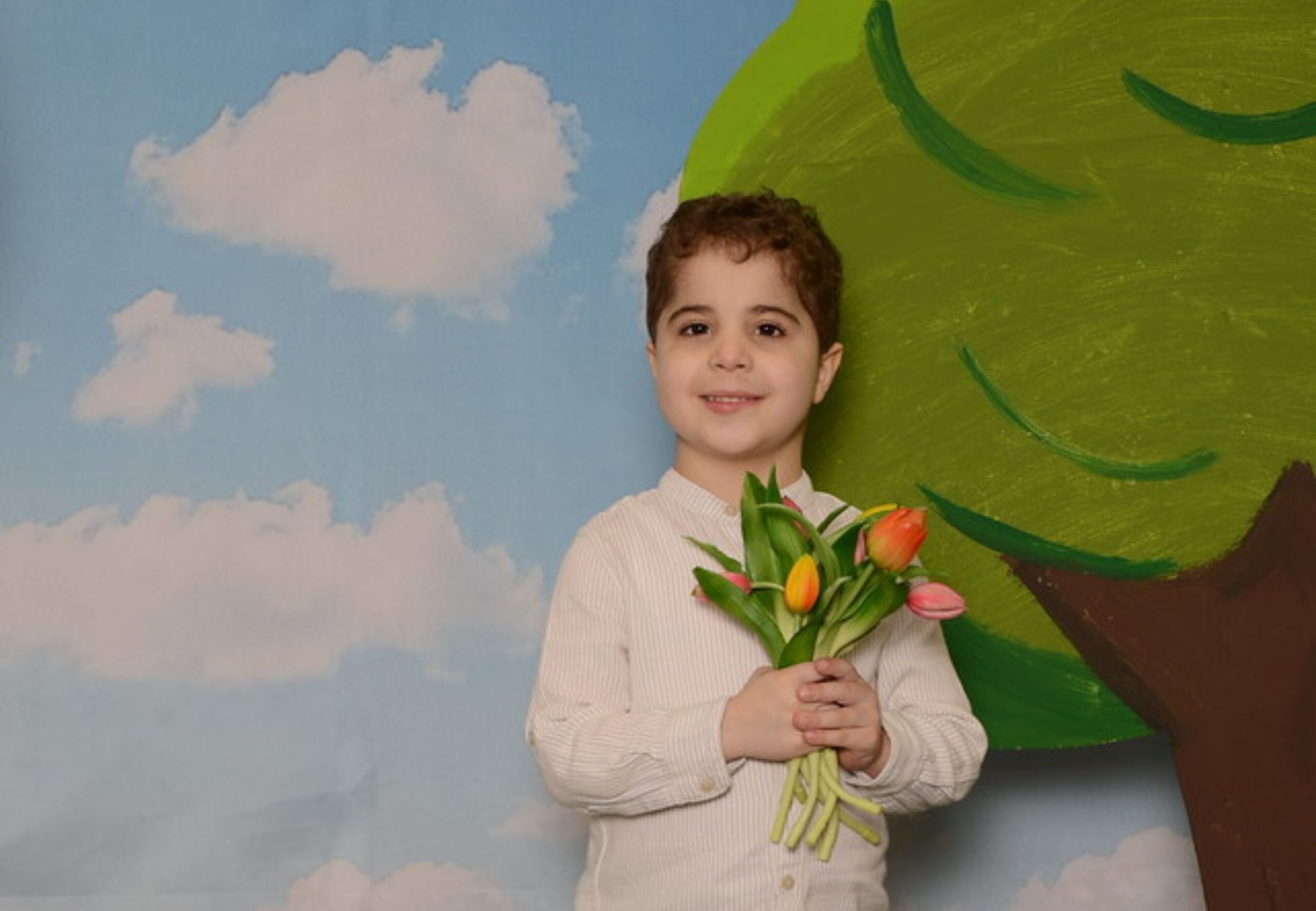
Ábel has recently been diagnosed with Duchenne muscular dystrophy. This is a severe, rare genetic disease that causes gradual muscle weakness, followed by complete muscle atrophy, eventually leading to total muscle wasting. There is a special gene therapy abroad that could stop this process, but it costs up to 1.3 billion forints.
F. Döme and his family
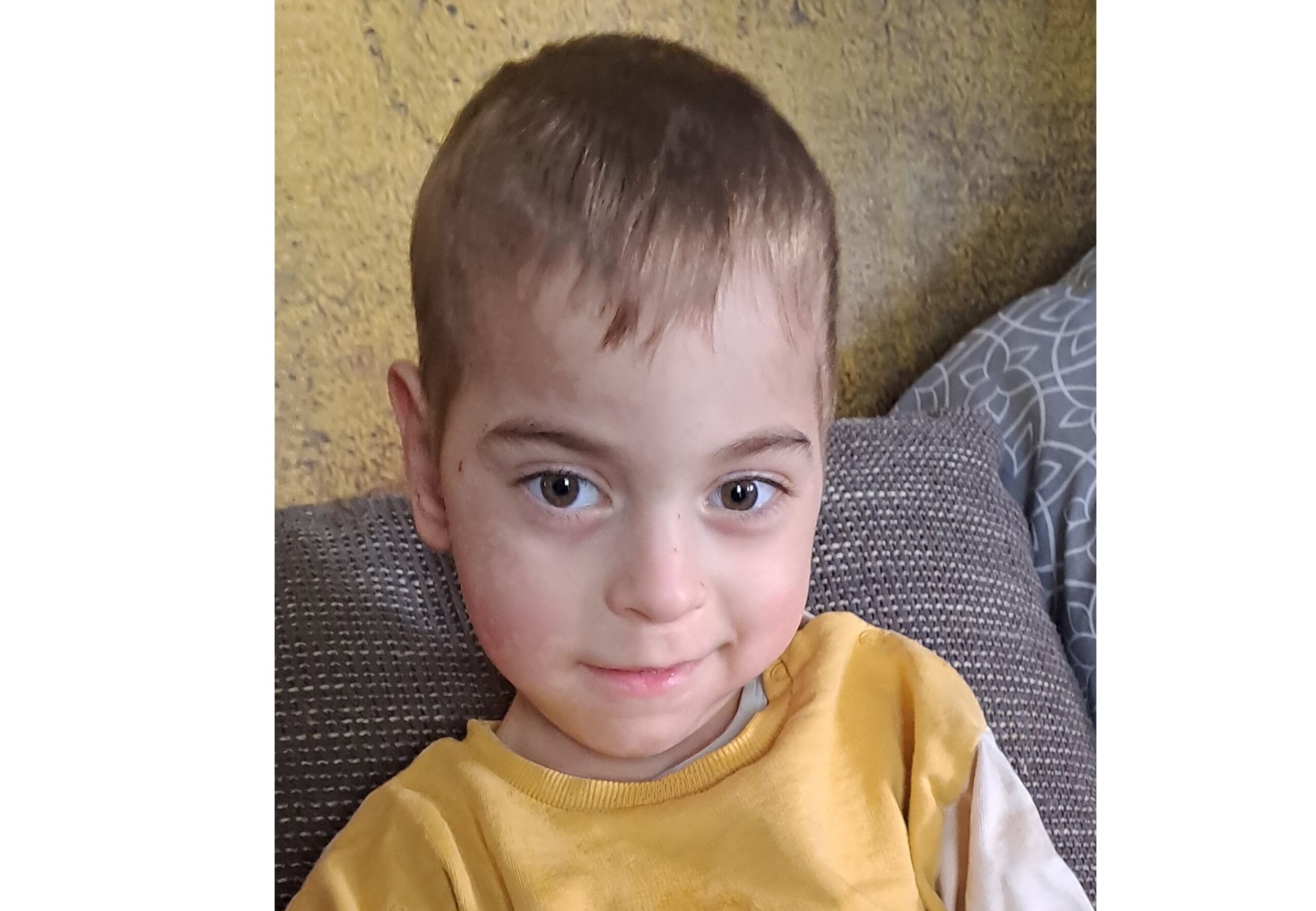
Döme is a 2-year-old boy born from a compromised pregnancy at 28 weeks, by emergency caesarean section. He was born at just 990 grams and 38 cm. He was oxygen deprived as a foetus and was on a ventilator for some time after birth. He required oxygen until 10 weeks of age due to mild bronchopulmonary dysplasia (BPD). A cranial ultrasound revealed that he had suffered a grade II and III stroke and required ventilation again at two weeks of age due to enterococcal sepsis.