




H. Julcsi and her family

They are raising three children, the eldest of whom, Julcsi, is 13 years old and has tuberous sclerosis complex.
lives with an illness. His condition is accompanied by therapy-resistant epilepsy, so he studies on an individual curriculum and
You require regular, specially tailored improvements to your health. From September onwards
is starting 7th grade.
Julcsi's sister will be starting primary school in September, and her brother will be starting Year 9 at secondary school.
is starting the school year.
Julcsi requires daily care and constant supervision, which is why her mother has spent years
since he has been on GYOD, which has significantly reduced the family's earning potential. The situation is further
This is made more difficult by the fact that Julcsina underwent skull surgery in January and July 2025.
Improving the child's condition, reducing learning difficulties and maintaining quality of life
Regular development, such as speech therapy and motor skills development, is essential for this purpose.
However, the family is no longer able to finance these costs on its own.
According to the quote issued by the developer, Julcsi will receive three 90-minute sessions per month.
frontal lobe therapy development is necessary. The fee for one session is 16,000 forints, which amounts to 48,000 forints per month.
forints, which amounts to 576,000 forints per year.
The family turns to the programme for help so that Julcsi can receive the therapies that are vital for her.
continue and have a chance to improve their condition and live as full a life as possible. During bathing, an abnormal glint in their eyes was noticed, which was later also
diagnosed with cataracts. The family visited ophthalmologists for months.
for examinations and operations in Budapest.
By the time these treatments were completed, another difficulty arose: the boys' movements.
did not start properly. After rehabilitation and orthopaedic examinations, polyneuropathy and Achilles tendon shortening were diagnosed in all three children. After many years of therapy, the family finally received the most difficult news at the children's clinic in the capital: all three boys were diagnosed with a genetic, incurable and, unfortunately, fatal disease. The diagnosis: Marinescu-Sjögren syndrome. Since then, the family has been undergoing regular check-ups, physiotherapy, and ophthalmological and orthopaedic examinations. Despite surgery, the boys' eyesight is rapidly deteriorating, and they now have very poor vision. This is accompanied by a continuous deterioration in their mobility and general condition. Although their daily lives are fraught with difficulties, the boys remain true individuals, full of dreams and desires. The eldest boy, Dominik, is smart and curious, and loves to discuss current events. He takes medication for his health condition, and his greatest wish is to have a smartwatch that accurately measures his blood pressure and condition. Leonárd, the middle boy, loves to listen to and play music.
Coppersmith family

A family of five lives in a small village in Szabolcs County, where the parents raise three seriously ill boys with love, perseverance and dignity. Although their lives are filled with medical examinations, surgeries, rehabilitation and financial difficulties, their home is always filled with solidarity and the belief that together they can overcome any obstacle. All three boys were born apparently healthy, but it soon became clear that they would have to contend with serious problems. The youngest child was diagnosed with glaucoma and cataracts immediately after birth. In the case of the two older brothers
During bathing, an abnormal glint in their eyes was noticed, which was later also
diagnosed with cataracts. The family visited ophthalmologists for months.
for examinations and operations in Budapest.
By the time these treatments were completed, another difficulty arose: the boys' movements.
did not start properly. After rehabilitation and orthopaedic examinations, polyneuropathy and Achilles tendon shortening were diagnosed in all three children. After many years of therapy, the family finally received the most difficult news at the children's clinic in the capital: all three boys were diagnosed with a genetic, incurable and, unfortunately, fatal disease. The diagnosis: Marinescu-Sjögren syndrome. Since then, the family has been undergoing regular check-ups, physiotherapy, and ophthalmological and orthopaedic examinations. Despite surgery, the boys' eyesight is rapidly deteriorating, and they now have very poor vision. This is accompanied by a continuous deterioration in their mobility and general condition. Although their daily lives are fraught with difficulties, the boys remain true individuals, full of dreams and desires. The eldest boy, Dominik, is smart and curious, and loves to discuss current events. He takes medication for his health condition, and his greatest wish is to have a smartwatch that accurately measures his blood pressure and condition. Leonárd, the middle boy, loves to listen to and play music.
Noémi M. and her family

Noémi M. has had a particularly difficult journey since birth. Although she arrived on time, it soon became clear that,
that his condition is cause for concern. In the first days of his life, he became so ill,
that he was transferred to several hospitals to find the cause of his illness.
reasons.
Doctors noticed posture problems, slower development and deteriorating eyesight.
The condition of his eyes continued to deteriorate, and it was suggested that he had a rare congenital retinal disorder.
There may be an underlying condition. Foreign examinations were also necessary to determine the exact cause.
receive a diagnosis.
In Budapest, it was finally confirmed that Noémi indeed has a rare retinal
born with a disorder that affects her vision and development. Noémi
His mother did everything she could to find help: doctors, tests
and persistently sought opportunities to improve his little girl's condition.
Noémi's story is one of struggle, yet it is full of hope. Every day she learns, develops, and
His family is confident that their efforts will eventually lead to a better quality of life for him.
János M. and his family

Our love is a student love that has lasted for 31 years. We first experienced what it was like to be parents in February 2002, when our daughter Zsófia arrived. Then, in May 2004, Janika was born at 40 weeks after a normal pregnancy. When she was one and a half to two years old, we noticed that her behaviour was not normal. We went to doctors, but at that time, they couldn't diagnose a child as autistic until the age of three. We received the official results in 2007. Unfortunately, she struggles with severe non-verbal autism. We went everywhere, to the Heim Pál Hospital, movement development specialists, speech therapists, naturopaths. Unfortunately, we have not been successful to date. Janika struggles with non-verbal autism, a heart valve disorder and epilepsy. I have to give her medication five times a day, which she really didn't want at first. Now it's part of her daily routine. Her intellectual ability has remained at the level of a two-year-old.
Benjamin V. and his family
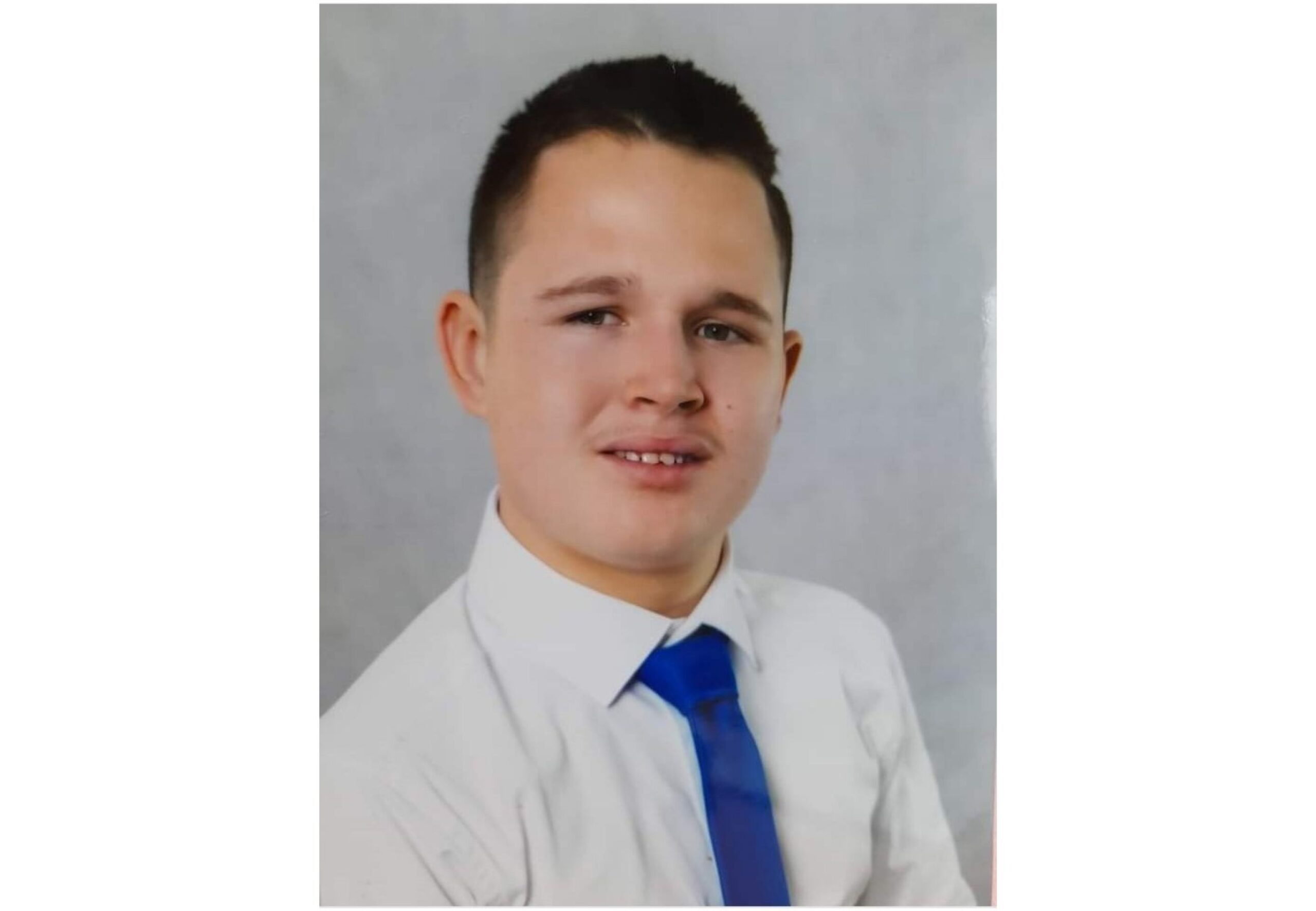
Benike was born on 19 February 2009 as the second child. He was diagnosed with autism at the age of four. From then on, he attended developmental classes, then started primary school at Göllesz Viktor Egymi in Nyíregyháza. His parents would like to transfer him to the Szent Bazil Skills Development School in Nyíregyháza. Benike is a non-verbal autistic child. Only his father works; his mother is with Benike every day. Let's help Benike and his family together!
J. Kajetán and his family
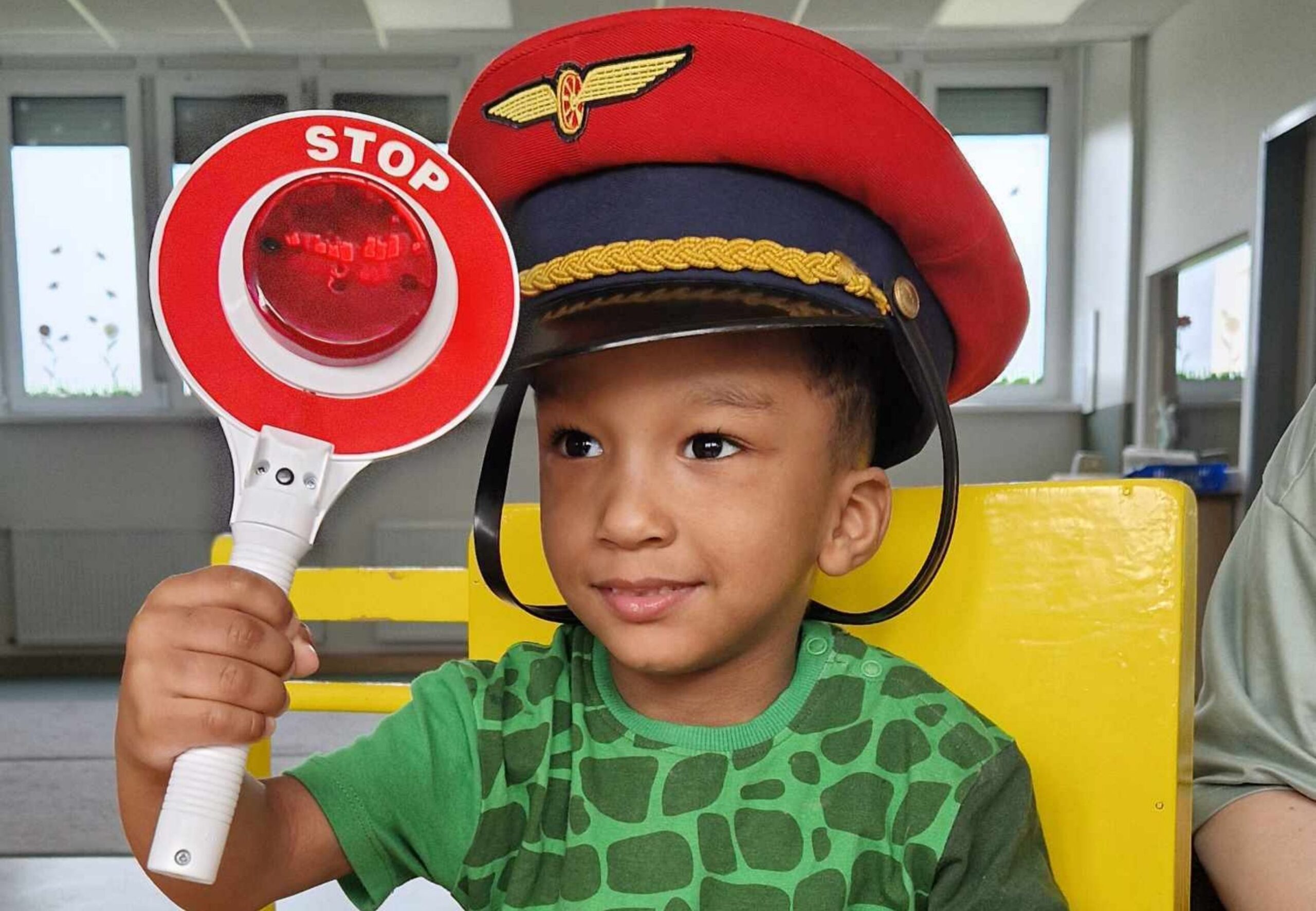
Kajetán was born in the 33rd week with developmental abnormalities, clubfoot and intestinal obstruction. Several surgeries were required to make his intestines passable, followed by a significant improvement in his condition. The clubfoot was treated with plaster casts and surgery, followed by Dévény exercises and other rehabilitation treatments. His motor development progressed slowly, but at 18 months he began to crawl, at 19 months he sat up, and at 20 months he climbed. He was later diagnosed with epilepsy, which was treated with developmental therapy and the Pető method. Kajetán is a happy, good-natured little boy who still struggles with balance problems, so their goal is for him to be able to walk independently and play with other children.
Vivien and her family

Vivien is a special 13-year-old girl who has faced serious challenges throughout her life. She was born from a high-risk pregnancy, with a lack of oxygen, which caused severe epilepsy of unknown origin at the age of 1 month. The family is doing everything they can to improve Vivien's health, but unfortunately she requires constant medication, which must be adjusted regularly to try to make her seizure-free.
Coppersmith family

The Rézműves family lives with three sick boys in a small village in Szabolcs County, where despite the difficulties, the family sticks together and raises the boys with great love. Dominik, Leonárd and Mikike were apparently born healthy, although the cataract was visible in the eyes of the latter boy from the very first moment.
Csaba and his family

Csaba has been living with severe mobility impairment since birth due to a medical error. Labor began in the 33rd week of pregnancy, and the mother's doctor thought it best to delay it with a new type of infusion at the time. The delay was so successful that the doctors finally induced labor in the 41st week.
Noel and his family

Noel is a beautiful 3.5 year old boy. He was a much-anticipated child and his mother couldn't wait to hold her unborn child in her arms. His mother, who was born by caesarean section, was put under anesthesia. When he woke up from the anesthesia, doctors and nurses were standing by his bedside.