




Eszter F. and her family
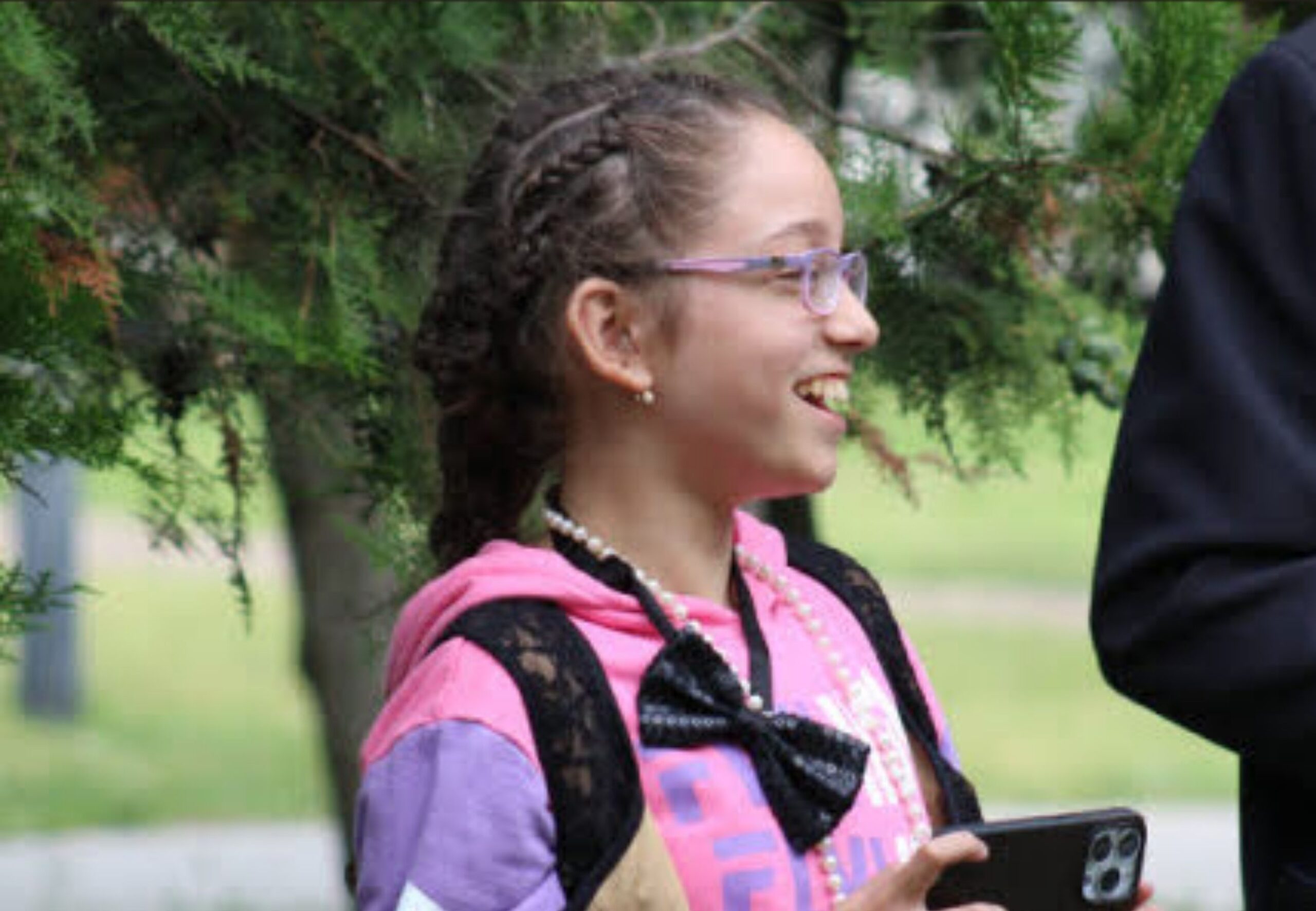
Eszti, aged 12, lives with cystic fibrosis and coeliac disease. Because of her condition, she follows a strict diet, attends regular treatment sessions, and her daily life requires constant care. Thanks to new medicines, her condition has improved significantly, but she may need a lung or liver transplant in the future.
However, the family is not only fighting for Eszti. Her sister lives with severe epilepsy as a result of viral encephalitis and requires constant, round-the-clock care. The parents are doing everything in their power to look after both their daughters, whilst the special diet, medication, vitamins and regular trips to the doctor place an enormous financial burden on them.
Yet every day they do their best to bring a smile to Eszti’s face. Horse riding, her love of animals, books and music help her to enjoy her everyday life as a child.
The family is now asking for help so that they can continue to provide Eszti with the treatment and living conditions that offer her hope of a longer, fuller life.
Every donation gives Eszti another chance. ❤️
D. Milán and his family
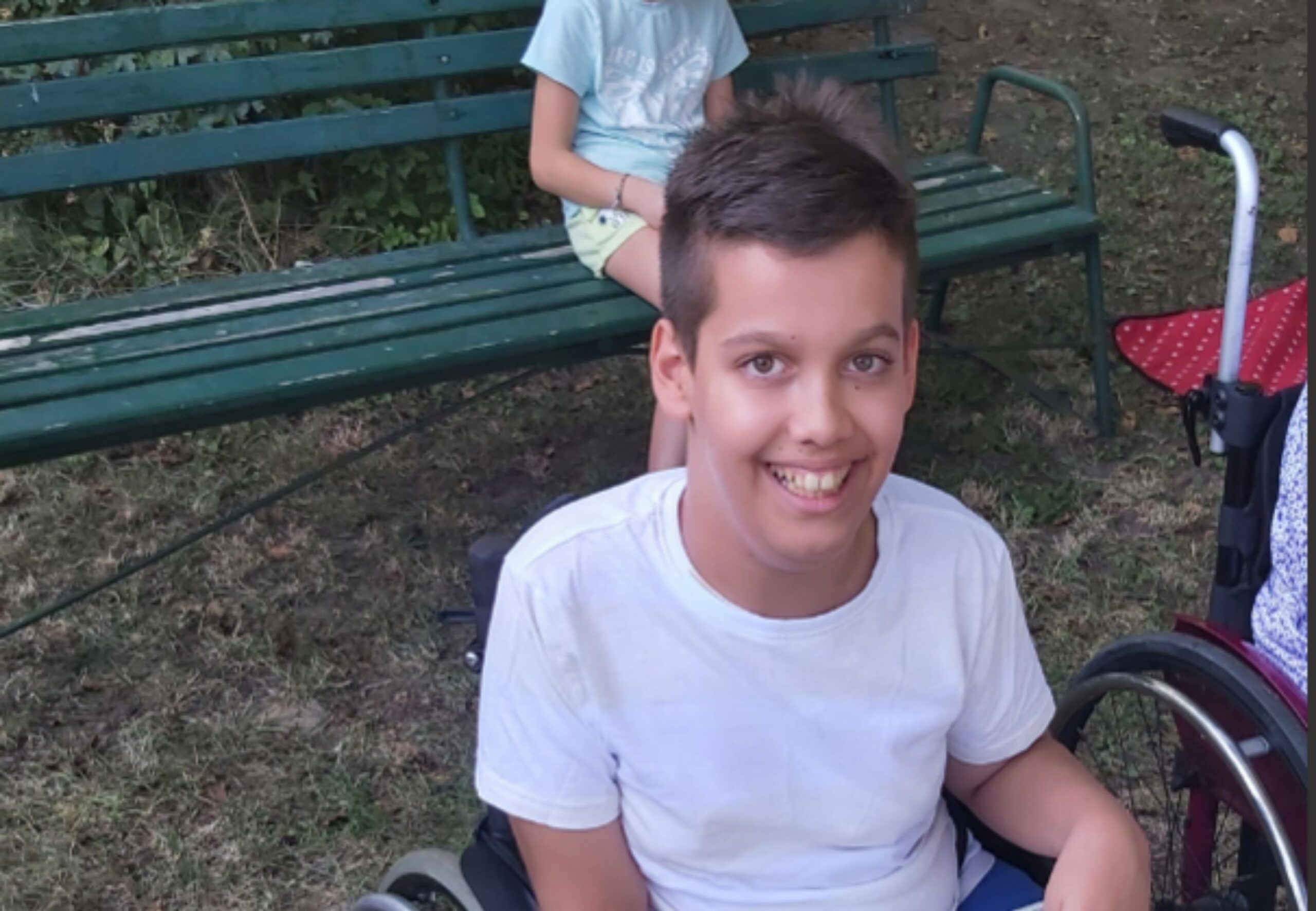
Milán was born in 2012; due to a lack of oxygen during childbirth, his motor development lagged behind that of his peers even as an infant. Since then, his family has been pursuing a single goal: to give him every opportunity to lead a more independent life.
Over the years, he has taken part in countless programmes – Dévény therapy, TSMT, swimming, physiotherapy and many other treatments. His mother devotes all her time to looking after Milán; she is currently with him at GYOD, whilst the family’s financial situation has also become more difficult.
Milan is extremely clever, an excellent pupil; he loves reading, singing and making friends, and he’s always smiling. He can already get about with a walking frame, but his biggest dream is to one day be even more independent.
She is currently taking part in a specialised weight-loss walking therapy programme, which is a huge help to her. However, a single one-hour session costs 25,000 forints, which the family is finding increasingly difficult to afford.
We would like to use the grants to support Milán’s development, so that he can continue to grow stronger and, one day, be able to take the steps on his own that currently still require assistance.
Every donation brings her closer to a more independent and fulfilling life. ❤️
Léna and her family
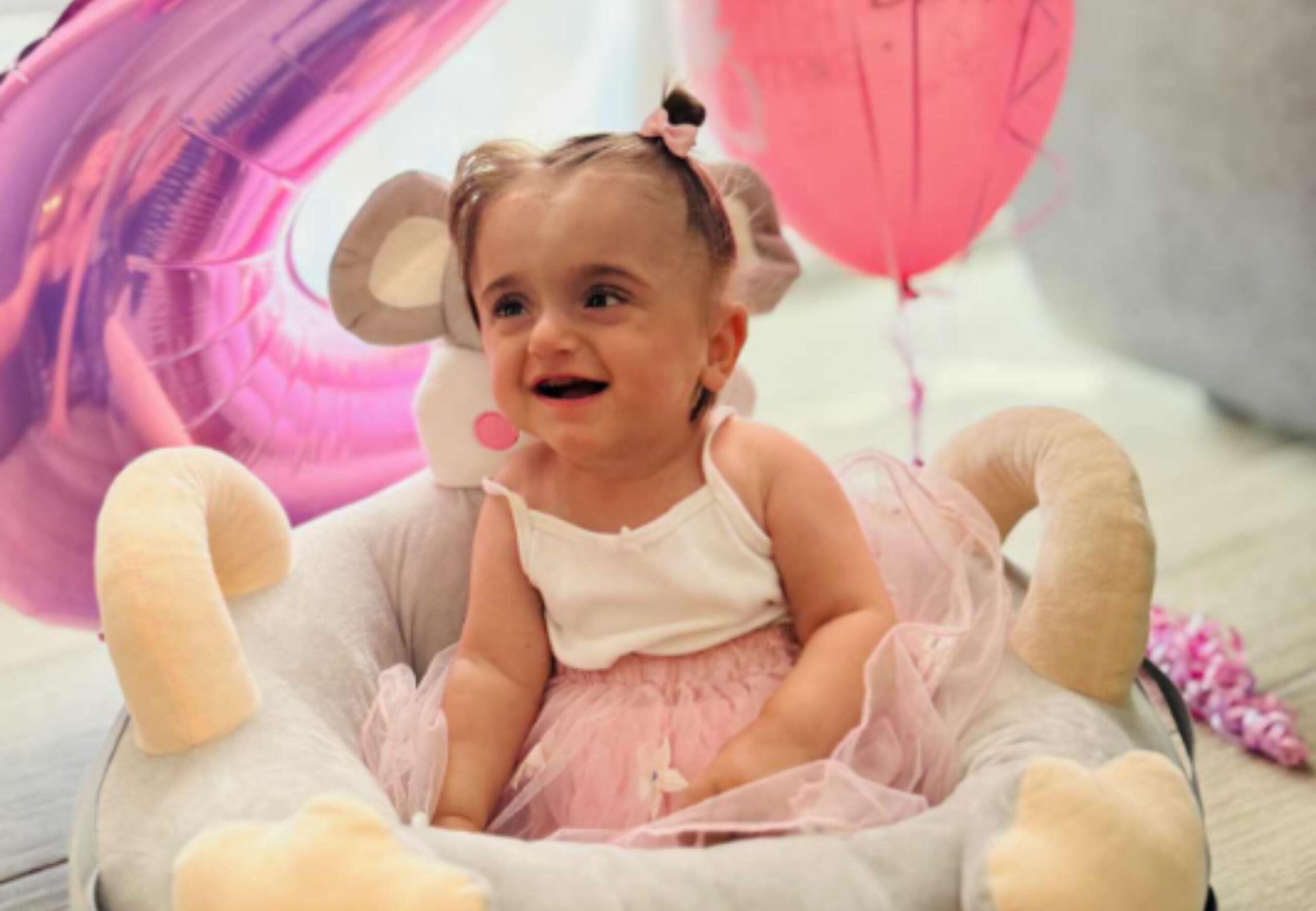
Léna was born at just 24 weeks’ gestation, weighing just 490 grams and measuring 28 centimetres. She spent her first nine and a half months in hospital, fighting for her life.
During that time, and since then, she has undergone a total of 15 operations. She was on a ventilator for three months, after which she was able to return home on oxygen therapy. She has a shunt and has undergone several abdominal and eye operations, so the hospital was her second home for a long time.
She is now at home with her family, but the struggle is not over. Léna attends ongoing development sessions – both state-funded and private therapies – because every small step forward brings her closer to a more independent life.
His parents would like to give him every opportunity, but the treatments and therapy sessions place a huge financial burden on them.
Every donation gives Léna another chance to keep developing and to experience even more wonderful things. ❤️
Noel and his family
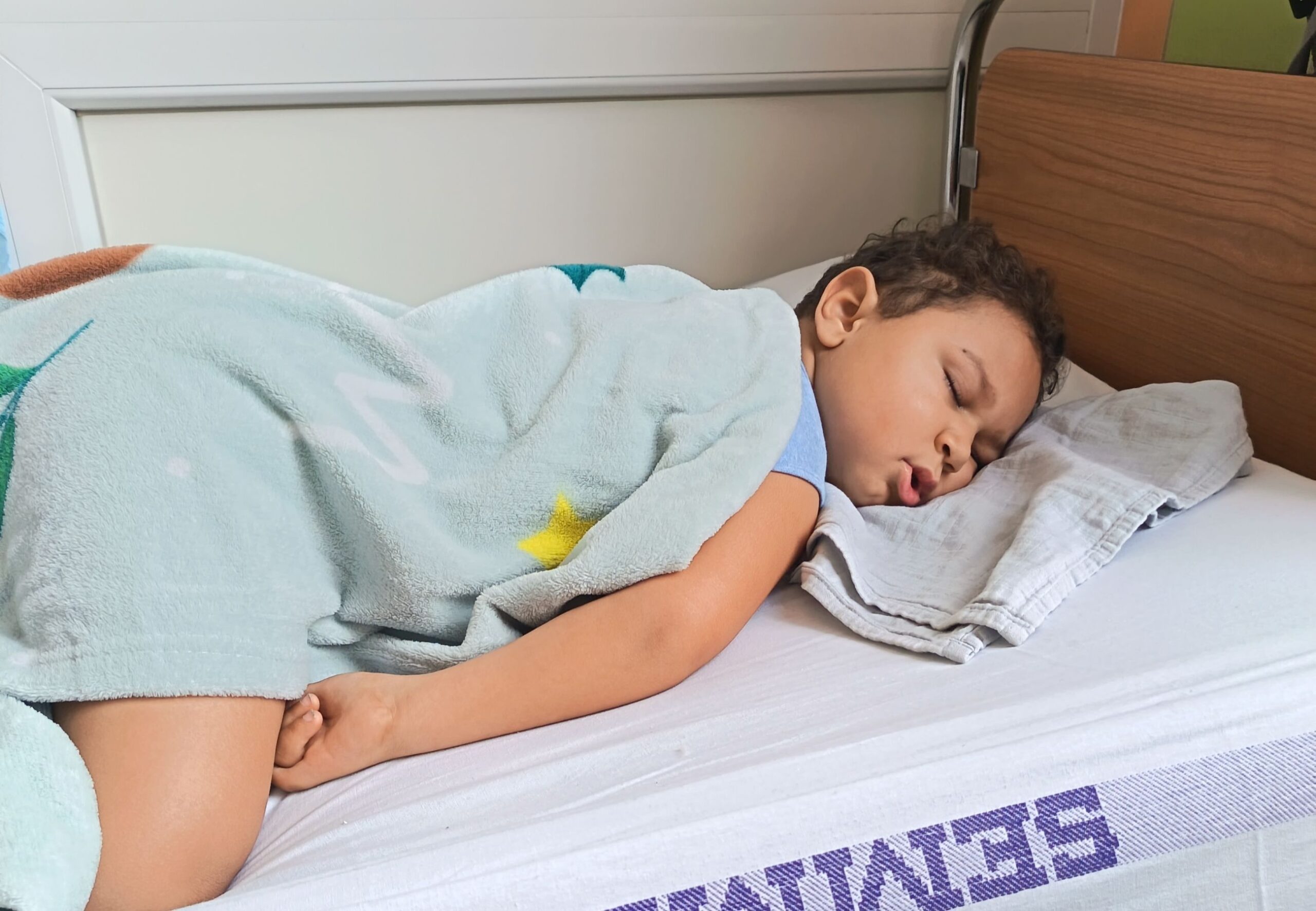
For Noel, the struggle began in the autumn of 2025. Because of his clubfoot, he had to have his leg put in a cast every week for months, and then, in February 2026, he underwent a major operation. Despite the treatments and the long recovery, he always faced his difficulties with a smile and courage.
Meanwhile, the family suffered a painful loss when Noel’s beloved grandmother passed away unexpectedly. Despite their grief and the hardships they faced, they stuck together and drew strength from one another.
Today, Noel is taking increasingly steady steps in his orthopaedic shoes, but further treatment and operations still lie ahead. Every single day presents a new challenge, yet he presses on undeterred.
Noel’s story is about perseverance, love and hope. It’s about a little boy who, despite the difficulties, never gives up, and shows every day just how strong a child’s heart can be. ❤️
Johanna B. and her family
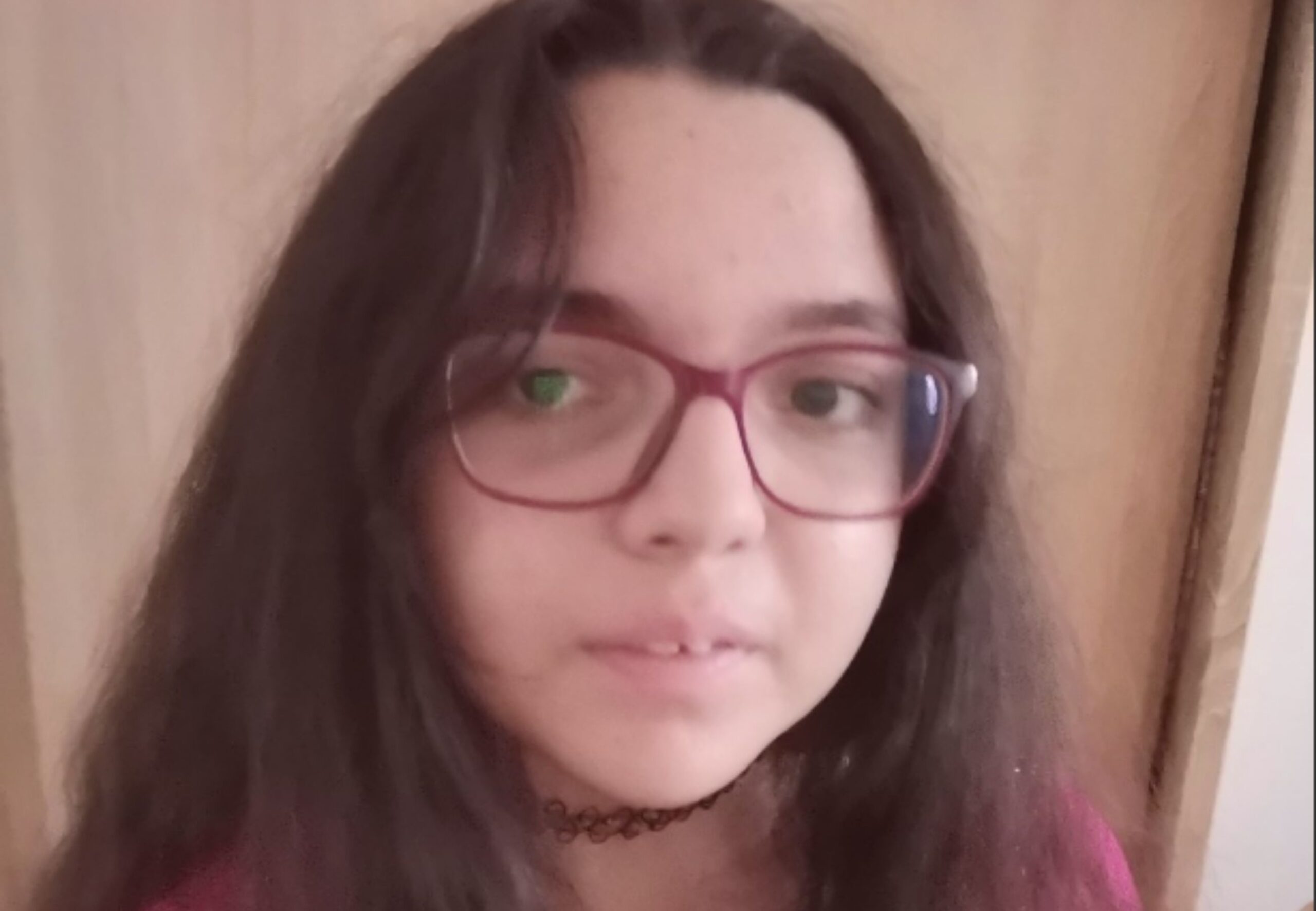
Johanna is a young girl with autism and mild intellectual disability who will start her studies at the Dürer Street Member Institute for the Blind in Ajtos from September. At school, she will study fine arts, weaving and ceramics - activities that not only bring her joy but also help her develop mentally and physically.
Johanna's condition was revealed when she was two years old. From that moment on, her mother did everything she could to help her daughter develop and make the most of her life. After many years of early development, they worked hard to get Johanna to the point where she was able to socialise with other children in a small community.
He then went to the Csalogány Kindergarten in District 3, and then to the Szellő Utcai Elementary School, which were all special, specialised, ECEC institutions. But the road has not got any easier since then.
Johanna still needs constant supervision and care and cannot be left alone. Her mother takes her to school every day and picks her up in the afternoon. They travel by public transport and public transport every day, which is physically and mentally very demanding for them.
The family lives in a municipal flat in Békásmegyer. Johanna's mother raises her child alone and, as her daughter's condition prevents her from working, they currently support themselves and their home from the childcare allowance (GYOD/GYID).
Any help is a huge support to them - be it financial support, donations or simple human attention.
Benett and his family
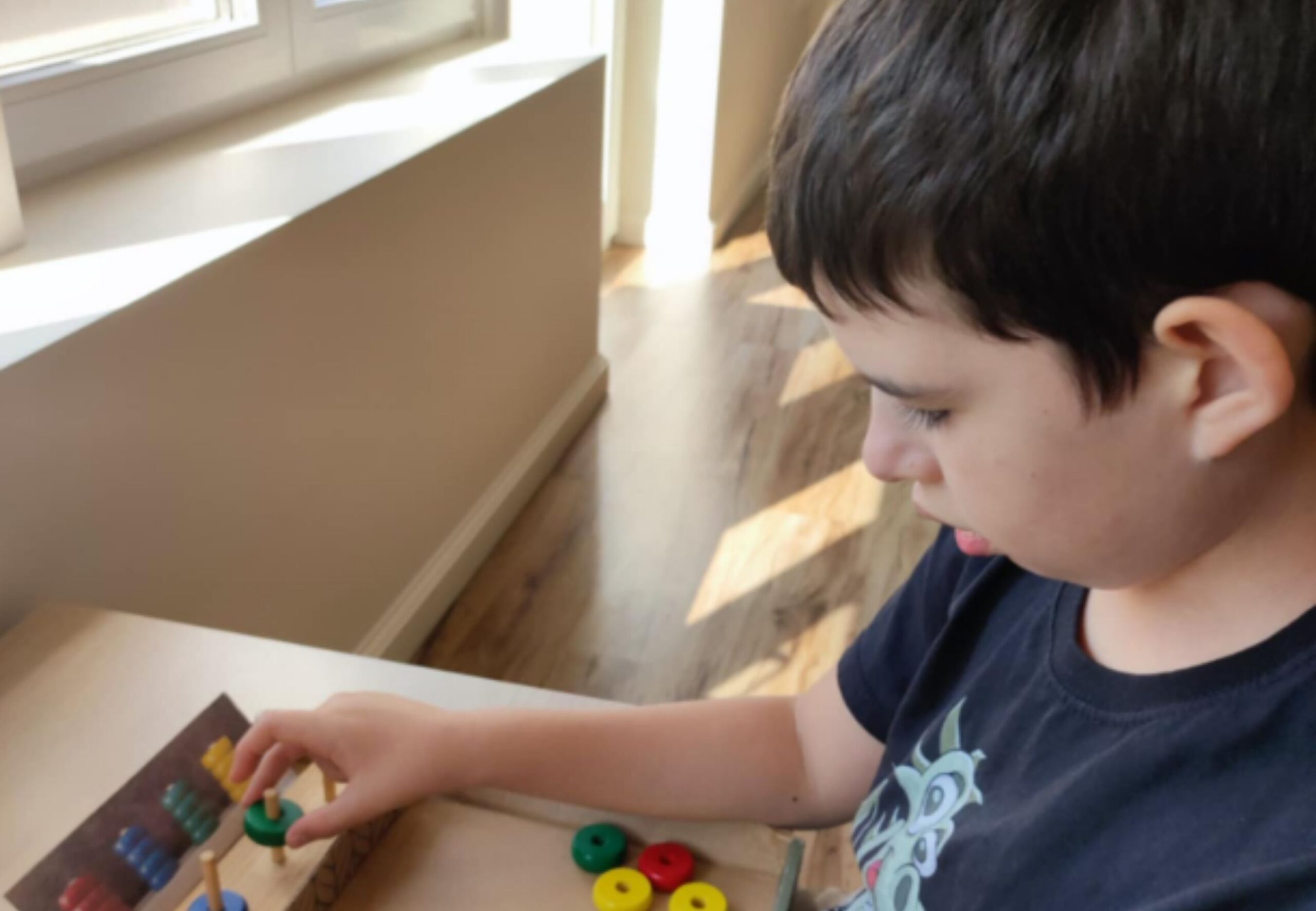
Benett was born on 2 April 2015 by programmed caesarean section due to his mother's serious heart condition. The start was not easy: his mother had undergone two open heart surgeries, but she fought with all her might to ensure that her son was born safely.
Benett was born with hypotonic muscles, but initially there did not seem to be any major problems. After the first compulsory vaccination, his appetite decreased and after the second vaccination, at just 4.5 months, he was hospitalised because he would not take formula at all. From then on, his development slowed down considerably. For more than six months he weighed just 6 kilograms.
At the age of one, he could not even sit up. Dévény Therapy helped him reach his first important milestones and he attended treatments for years. Her mother tried her best to help her child develop. It wasn't until Benett was five that he could walk enough to no longer need a pushchair, and he became potty-trained at the age of six.
For many years, the family searched for the right improvements and therapies. After the Dévény gymnastics, they did TSMT for a year and a half, and also tried craniosacral and bioresonance treatments. Benett also went on therapeutic horseback riding for four years, hoping to get his speech moving one day.
Although this has not fully happened to date, Benett can now say a few words and communicates with the outside world mostly by pointing.
She currently goes to school in Paradise Coast, where she has door-to-door transport every day. His mother is on GYOD benefits and cannot work because Benett requires constant supervision. He cannot even dress and clean himself.
But now a new ray of hope has come into their lives: sign therapy. The treatments started last summer, when the therapist was able to travel to Szekszárd, and the first signs are encouraging.
Benett's story is one of perseverance, the strength of a mother's love and hope - of a family never giving up, even in the most difficult situations.Although her hearing is intact and her reactions to outside stimuli are slow to develop, the first signs of encouragement are already appearing. His vision is severely affected, yet he can follow objects and even turn his head towards them on better days. His body is characterised by severe muscle tension, for which he has already undergone major surgery and is currently undergoing ongoing treatment and medication. His epilepsy has returned this year after two years without symptoms.
For Zsombor, touch is the most important link to the world - it is the way to really connect with it. He loves being in the lap and is happy to participate in the development. He has recently started practising standing up and is already able to hold himself for a few moments with help - these small steps are huge achievements in his life.
In order to continue to develop and reach new milestones, he needs continuous, intensive therapy.
Please support Zsombor if you can - every help means another chance for him.
M. Jasmine and her family
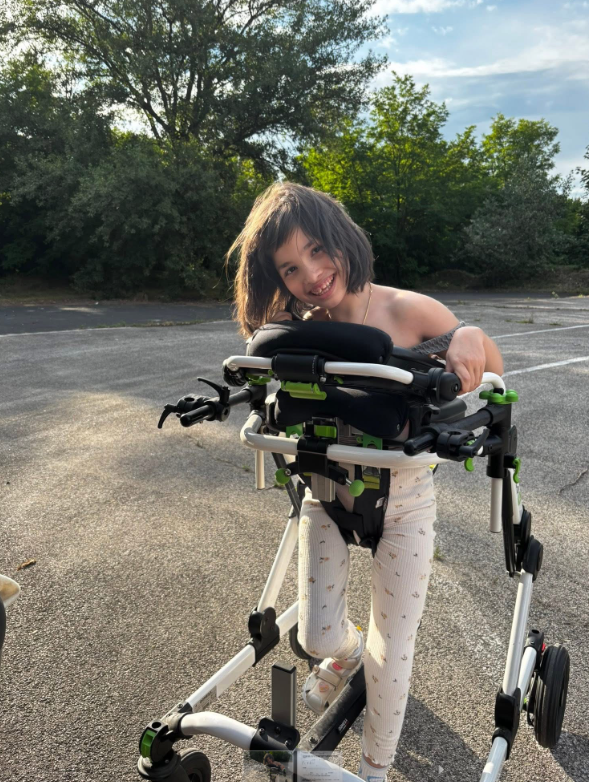
Jasmine, a 12-year-old girl with CP, is being raised alone by her mother. She does her utmost to give her the opportunities she needs to develop, so she regularly takes her to development sessions in Dunaújváros, where they live, and to Budapest, including the Step by Step Rehabilitation Centre.
These therapies are crucial for Jasmine, but they are a heavy financial burden. As well as the cost of improvements, travel is a significant expense, which is becoming increasingly difficult for a single mother to manage.
Every day they fight to give Jasmine a chance to grow and live a fuller life.
Please support Jasmine if you can - any help is hugely appreciated
Zsombor V. and his family
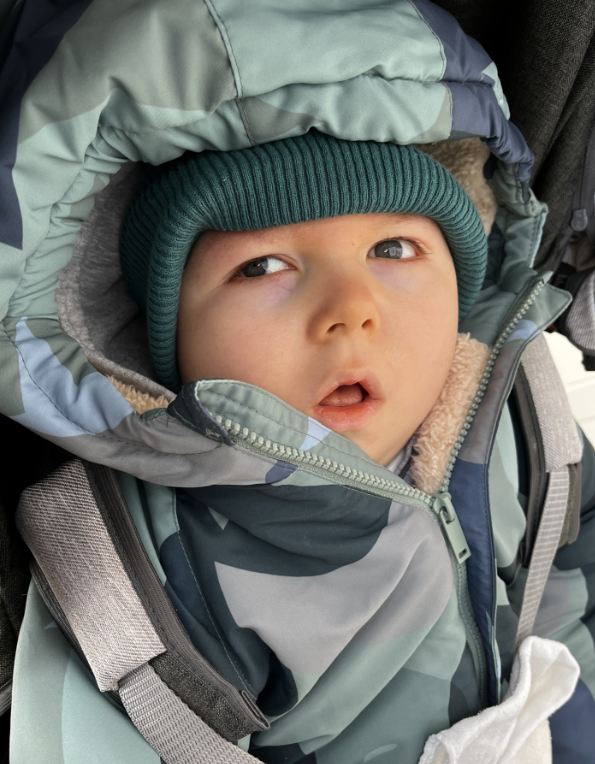
Zsombor is a 3-year-old boy who is both physically and intellectually underdeveloped, yet he struggles mightily to make every small step forward. With swallowing difficulties, he has a laryngeal disorder and a feeding tube, a complex condition that requires constant attention.
Although his hearing is intact, his reactions to stimuli from the outside world are slow to develop, but the first encouraging signs are already appearing. His vision is severely impaired, but he can still follow objects, even turning his head to look at them on better days. Her body is characterised by severe muscle tension, for which she has already undergone major surgery and is currently undergoing ongoing treatment and medication. His epilepsy has returned this year after two years without symptoms.
For Zsombor, touch is the most important link to the world - it is the way to really connect with it. He loves being in the lap and is happy to participate in the development. He has recently started practising standing up and is already able to hold himself for a few moments with help - these small steps are huge achievements in his life.
In order to continue to develop and reach new milestones, he needs continuous, intensive therapy.
Please support Zsombor if you can - every help means another chance for him.
J. Milla and family
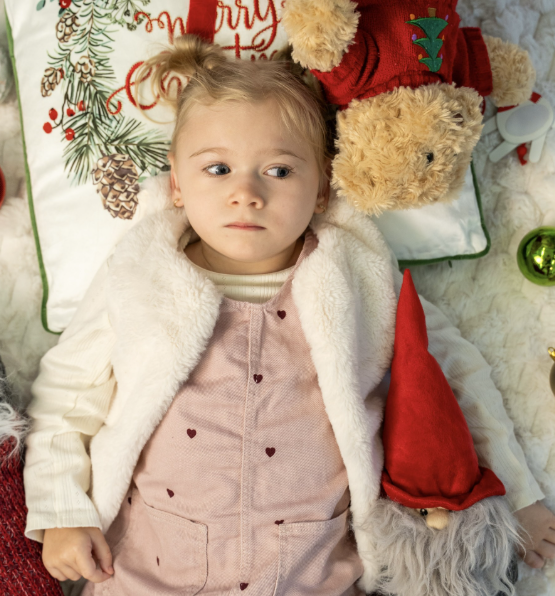
Milla is a smiling, 4-year-old girl living with a rare metabolic disease, pyruvate dehydrogenase enzyme deficiency. Her body is unable to process carbohydrates properly, so she has to follow a special ketogenic diet and gets most of her energy from fats. However, this cannot fully meet the body's needs, so its development is significantly slower: it is currently at the level of a 6-8 month old baby.
Milla's development requires ongoing, complex therapy - not only to develop her movement, but also her cognitive, sensory, vision and speech. These therapies are vital for her, but they also represent a heavy financial burden for her mother, who is raising her alone. At the moment they can spend about 100.000 HUF per month on development, which unfortunately only covers two areas.
For Milla to have a chance to develop and live a fuller life, she would also need additional therapies.
If you have the opportunity, please support Milla's development - any help will bring her closer to a better future.
F. Noel and his family
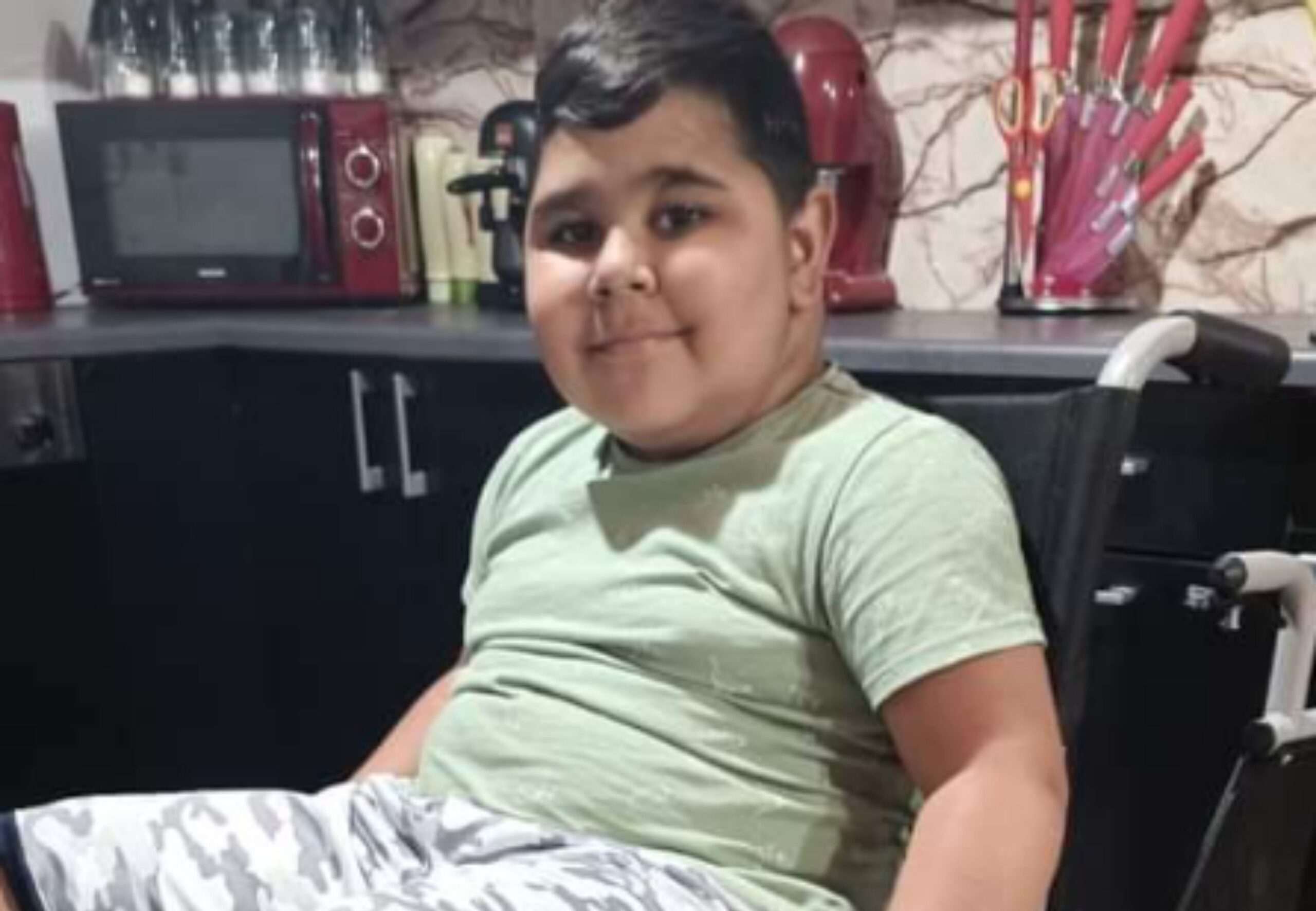
Noel was born with a rare and serious muscle disease, DMD. From a very young age, his parents sensed that his journey would be more difficult than that of other children. He was not able to develop like his peers: climbing and standing up on his own was a huge challenge for him. He fell often, and as parents, each fall struck a chord. Within two years, both his legs were broken, yet he tried to stand up again and again.